

Your pain is real. That doesn’t mean it has to last forever.
By the time people find me, they've usually tried a lot of things to get out of pain. Doctors, specialists, courses, a therapist who's good but doesn't quite get the pain part. They understand more about their own nervous system than they ever wanted to. And they're still in pain.
If that's you, you're not doing it wrong. There's a layer of this that almost nothing out there addresses, and that is the layer that I work with.
“Working with Sara was utterly life-changing. I completely reshaped my relationship to my pain and developed ways to experience more joy and pleasure.”
KN · graduated client, 2025
How I got here
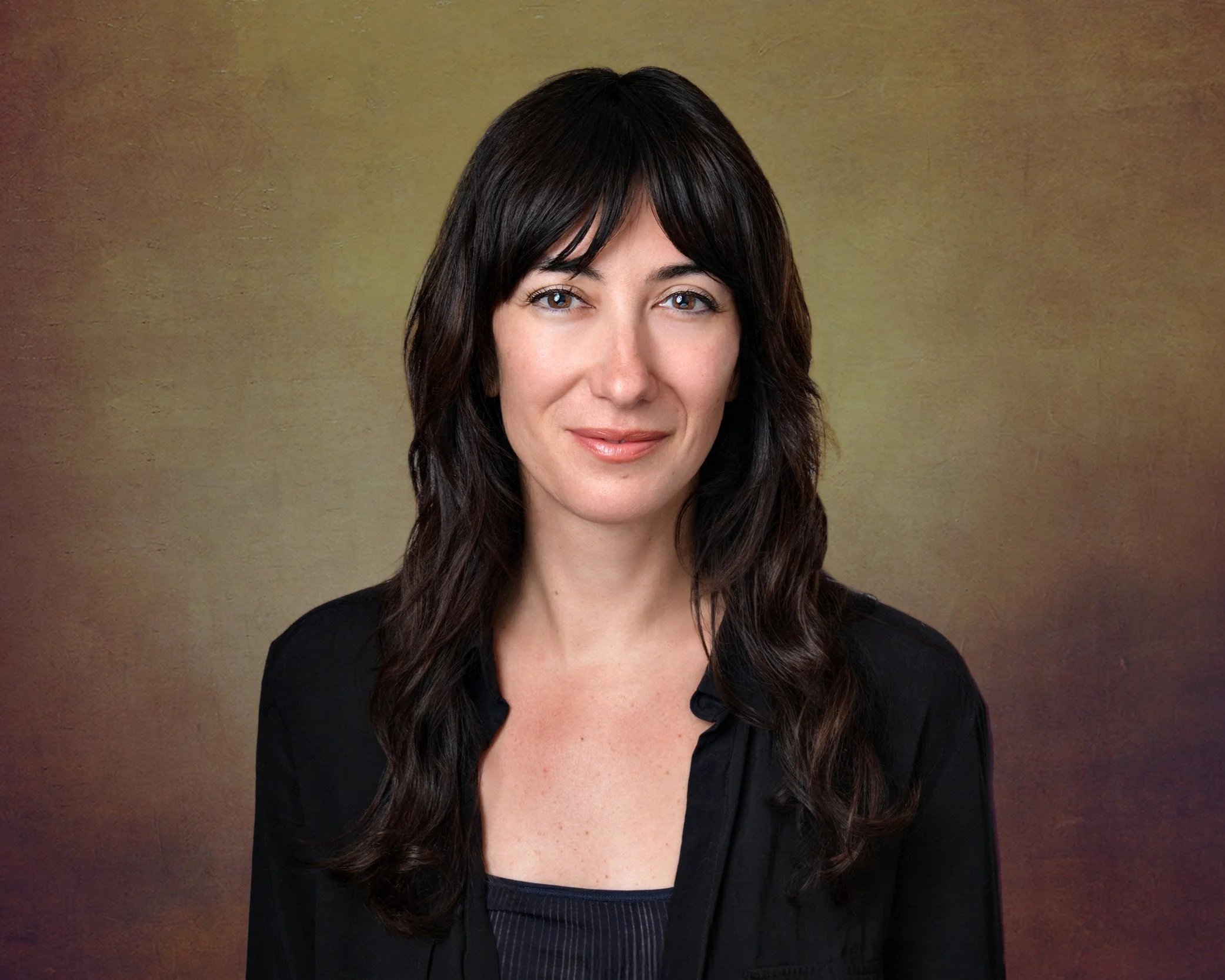
I had my own chronic pain for years. I did everything right and stayed stuck. That experience sits at the center of what I do now.
I'm a medical sociologist with a PhD from UCSF, where my research focused on neuroscience and pain, specifically why standard treatments fail and what actually works. Before and during all of that, I spent twelve years as a clinical bodyworker, learning to hear pain where words run out.
The research, the clinical work, the lived experience of finding my own way out: that trio doesn't exist elsewhere. If your pain keeps bumping up against a system that fails you, I know what that looks like, and I know what comes after it.
What I offer isn't a program. It's close, one-on-one work where we figure out what your nervous system has learned to do, and what it's capable of learning instead.
There's no single path out. Finding yours is what we do together.
What this work actually is
Pain runs through three systems at once: the body, the emotions, and the life around you. Most treatments work on one system and ignore the other two. That's how you can do everything right and still hurt.
I'm not an expert in any one tool for resolving pain. I'm an expert in how those tools came to be, how they interact, and how they fail us. My job is to figure out, with you, which ones your particular pain will actually answer to, and in what order.
We do this in conversation, over Zoom, in close one-on-one sessions. There's no substitute for sustained time with someone who's paying real attention. This is intentionally not a long-term program. You leave with what you need to keep going without me.
Physical and emotional pain share overlapping pathways in the brain. The emotional work you've already done is a resource for your physical pain, not a separate project.
Fear is a big component of pain, and it's very hard to be afraid alone. Reducing the isolation of pain is effective in and of itself.
“No one ever pointed me to the simple concepts and ways to think about my pain the way Sara did. She brings what no physician ever did for me. I no longer find myself lying on the floor, trying not to cry.”
LA · graduated client, 2024
What becomes possible
These are things clients have told me, after we worked together:
Went from daily migraines to occasional, passing discomfort they can clear on their own.
Reduced time spent managing pain from four hours a day to thirty minutes.
Took a family trip that would have been unthinkable before.
Started exercising again, without second-guessing themselves.
Could calm a flare on their own, after one session.
Started feeling more pleasure in their life, not just less pain.
Not sure if this is for you? That's what the intro call is for. Free, no obligation, and you'll leave knowing more about your pain either way.
This is not about a single tool
Three minutes on what this work looks like.
“One of the things I appreciated most was the exercises. We practiced them together during our sessions, which made it easier to integrate them into my daily life. Sara's thoughtful guidance made a meaningful difference in how I relate to my pain and to myself.”
KM · graduated client, 2025
Individual Session
$260
For people who want to start with a single focused session or need help with a specific decision about their pain.
Services
One Month Package
$885
Four weekly sessions, plus support between meetings when you need it. I work with people for about a month at a time: long enough to find what your pain responds to, with a clear pause built in to see what you can do on your own.
Flexible pricing available:
Finances are a real consideration, especially when you've been paying for pain care for years. I offer a needs-based sliding scale and payment plans.
“I have found my medical care to be very siloed; the goal of each of my many doctors is to identify what is wrong and then fix it. Sara's approach is completely different. Thanks to her guidance, I've been able to digest a vast array of specialist opinions and make choices about my medical care that feel right for my goals and values.”
Graduated Client, 2024
Pain Flare-Up Reset
3-Minute
If you're hurting right now, start here.
This short practice helps interrupt the nervous system's alarm state. Free, and you can come back to it anytime.